Sometimes we get a call from a customer who asks us to clean his mattress because it has stains. Upon inquiring more about the nature of the stains, we find out that he has attempted to clean it himself with hydrogen peroxide or bleach… and now the mattress has persistent yellow marks that he can’t seem to get rid of.
Hydrogen peroxide and bleach are common household chemicals that people think you can use on just about everything. They’re excellent for treating coffee, blood, tea, sweat, urine, and other tough stains on hard surfaces, but mattresses are NOT one of them. These chemicals are strong oxidizers, and when used incorrectly (almost always by consumers), they cause permanent yellow or brownish discoloration on soft, white mattress fabrics. In this article, we’ll explain exactly why this happens, show real examples we see every week, and most importantly give you safe alternatives that actually work without ruining your bed.
Why Do People Reach for Bleach or Peroxide in the First Place?
People believe that bleach kills everything and makes whites whiter, and although this statement is somewhat true for basic t-shirts and socks, it doesn’t apply to your $2,000 mattress. Similarly, people believe that hydrogen peroxide is gentle and bubbles the stain right out. You can even put it in your ear to clean your earwax, so it must be safe. Yes, that is somewhat true, but those bubbles are aggressive oxygen radicals that attack fabric fibers and dyes.
We often find that homeowners use these chemicals to treat kid or pet urine accidents, pet messes, blood stains, sweat and body-oil buildup (especially at the head of the bed), and spilled coffee, tea, or red wine. Homeowners grab whatever is under the sink because if it works in the kitchen, it will probably work on the mattress. Unfortunately, that quick-fix idea often creates more problems.
The Science: How These Chemicals Actually Cause Yellow Stains
Both bleach (sodium hypochlorite) and hydrogen peroxide are oxidizers, meaning that they release oxygen to break down organic material. That sounds good in theory when trying to treat a stain, but here’s what really happens on a mattress:
Chlorine bleach reacts with proteins in urine, blood, or sweat and creates yellow chloramines, which are the same compounds that make swimming-pool water smell. It also strips or alters the dyes and optical brighteners built into the mattress fabric. Modern mattresses often have flame-retardant treatments that turn yellow or brown when exposed to chlorine.
Hydrogen peroxide (3% or stronger) releases oxygen radicals that oxidize tiny amounts of iron or other minerals in the fabric, creating rust-colored yellow or brown rings. It attacks body oils that have soaked in over years, turning them yellow, which is very common on older mattresses. It also leaves classic “halo” or “ring” stains that can set permanently once they dry.
The Hidden Damage
These chemicals also cause hidden damage. They weaken and brittle the fabric fibers, leading to premature tearing or pilling. They can degrade memory foam or latex underneath, and peroxide is especially bad for foam. Using these products can also void your mattress warranty, since every major brand specifically prohibits bleach and oxidizers. They also leave chemical residues that off-gas for weeks, especially bleach.
Safe Alternatives That Won’t Ruin Your Mattress
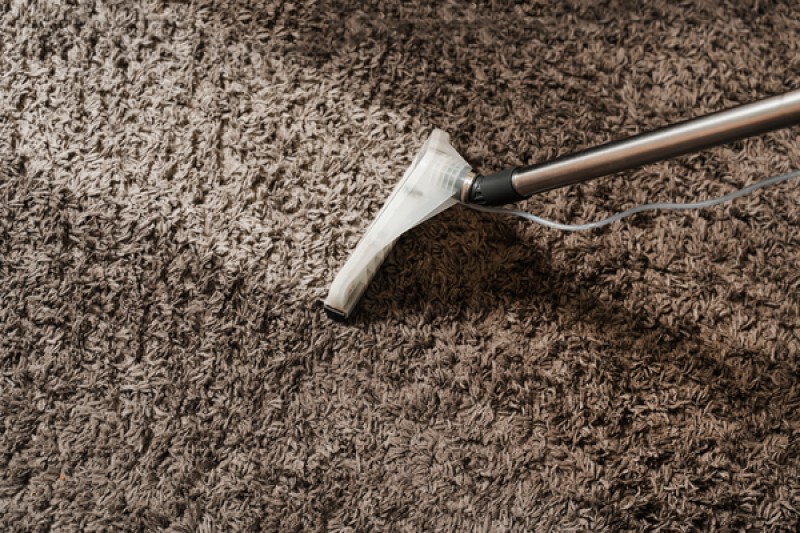
There is good news. You can remove almost any organic stain without bleach or peroxide. Professional carpet cleaners often use hot-water extraction or low-moisture cleaning. We apply a chemical onto the stain and agitate it into the fabric to break down the offending material. We then shoot water into the fabric and then suck it up, essentially rinsing it many times over. If the right chemicals and machines are used, most stains will lift by 30–100%. Lower percentages are due to the fact that the stains have been there for a long time. The longer you wait, the more likely your stain will become permanent. Learn more about why stains become permanent here.
Home Remedies
Although it would be nice to say that you can do some cleaning on your own at home, the truth is that we cannot recommend doing this. It’s not because we want you to hire us to clean your mattress. The truth is that if you think logically about cleaning your mattress, you do not have the proper equipment to EXTRACT what you put down into it. Cleaning fabrics has two steps: emulsifying the soils and then EXTRACTING them. That can be done by rinsing your clothes on the rinse cycle in your washing machine, or, like us, using a hot-water extractor to remove the liquid and water we put down. If you don’t extract it, it will just be sitting on your fabric forever. And due to the nature of mattresses, which are thick, soft, and porous, the chances of you overwetting the mattress and having all those chemicals sink deep down into its membrane are very high. We don’t want that.
Can You Remove the Stains?
From our experience, yes, you can, but we do it, not you. We have special chemicals that can remove those yellow stains most of the time. Do not try to remove them yourself because you will most likely make them larger or cause more damage to the fabric of the mattress.
Conclusion
Listen, if you really don’t want to deal with any of these issues on your mattress, get a high-quality mattress protector! That way, if anything is spilled on your mattress, it will only be on the surface and never seep into the mattress itself. Yet if you are like 99% of people who sleep on a regular mattress without a cover, just call us when stains happen—don’t let them sit! Then we can come clean it up for you, and your mattress will look WHITE for a long time. It’s only when you leave stains for a long time that your mattress begins to look like it came from a warzone.