The Common Emergency Call
Homeowners often call us right after there was a ferocious rain that their basement or 1st floor of their home was flooded and their carpets or rugs are soaking wet. Or, a pipe burst from the apartment upstairs and carpets or rugs are now totally soaked with dirty water.
Should You Pick Up Your Rug Immediately?
They want us to come pick them up right away to have them cleaned. But is now the right time for a pickup or should you let them dry? Will waiting cause extra damage to the rug, like mold growing on carpet or a wet carpet smell? In this article we will discuss all you need to know about how to handle your soaked, water damaged carpet or rug.
Is Flood Water Dirty?
Rain Water and Pipe Water
Rain water itself isn't particularly dirty but as it travels from the outside sidewalk and then moves through your home, it gathers dirt, soils, oils, and particulates that are not good for the health of your rug. If the pipe broke upstairs, the water again isn't particularly dirty itself but as it moves through the wood and concrete it gathers debris and takes on the colors of the materials it touches leaving yellowing or browning marks on your furniture or rugs.
Why Professional Cleaning Is Necessary
In this way, water from a flood or pipe bursting is in fact dirty and if it makes contact with your carpets, they need to be cleaned and require professional water damage carpet cleaning.
What Can Happen to a Flooded Rug?
Obviously, a flooded rug will absorb all the dirt, oils, and particulates that the water has gathered. Here are some things that might happen to your rug depending on its composition:
- If your rug is a natural fiber and is thick, it will take on a lot of water and material.
- If your rug is thin and synthetic, it will take on less and will be easier to flush out.
- If your rug is an oriental rug that has natural dyes, the colors may bleed.
- If your rug is a cellulose based fiber like viscose, rayon\n, artificial silk, bamboo silk, and others, the water may permanently damage the fibers themselves making cleaning and restoration very difficult and expensive (which is why we often recommend avoiding viscose rugs and the like).
- Your carpet stays wet for too long and MOLD grows! (See more below)
Will a Flooded Rug Grow Black Mold?
Understanding How Mold Grows
The primary threat to any wet carpet or rug left too long is mold growing in carpet and the subsequent musty smell out of carpet. Lets first understand how mold grows. Mold grows when a space or material is wet and often dark for a period of time. So if you have a wet rug, and you wrap it up and don't let it dry, mold will most likely grow.
How to Prevent Mold Growth
Therefore, the best thing to do after your carpet gets wet is to dry it out! Put fans on it, put it outside. This will prevent mold growth. If mold grows, you have a bigger restoration job necessary for the rug or carpet. Rule of thumb is if you see black mold on carpet, the damage is severe and requires immediate emergency carpet drying if it's still wet and professional carpet water damage restoration.
What Are the Ways You Can Clean a Flooded Rug?
In-Home Cleaning with Portable Extractor
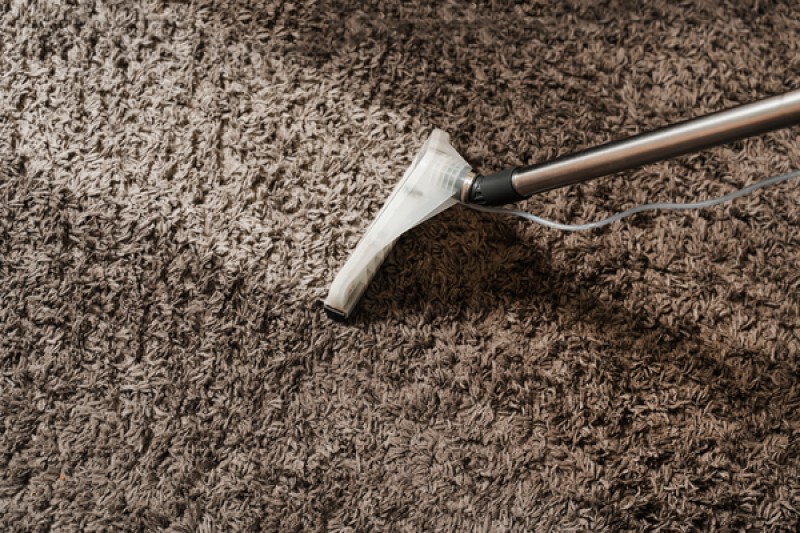
You can clean a flooded rug or flooded carpet at home with a strong portable extractor or you can have the rug taken away to a facility for a deep clean. A portable extractor is a device which shoots water into the fabric and then sucks it back up nearly immediately, allowing the technician to rinse any fabric without getting the inside of the furniture or backing of the rug wet. Essentially it doesn't allow the water to penetrate too deeply. You can also use this equipment for effective water extraction from carpet at home.
Facility Cleaning for Deep Restoration
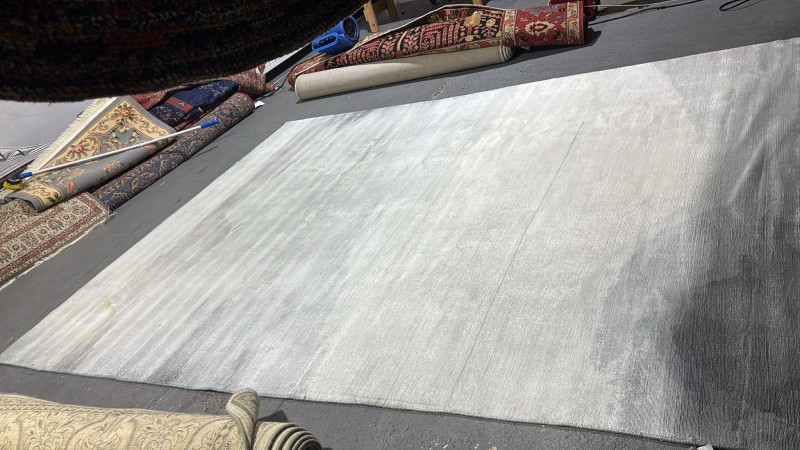
Thus, cleaning in-home only cleans the surface of the rug, not the backing so if the water was dirty or smelly, whatever settled in the backing of the rug will not be cleaned. If you have it taken away and cleaned in a facility, the cleaning is more thorough and cleanses the rug's surface and backing. If the rug was fully saturated with dirty water, this is the most recommended approach for comprehensive carpet water damage cleaning.
When Should a Rug Be Cleaned After Flooding?
Timing: Why Immediate Pickup Isn't Always Best
Homeowners who are in a desperate, and wet situation, often call and ask us to pick up the rug immediately after flooding. They believe that if it is handled sooner, then the rug will come out better after cleaning. The truth is that whatever is in the rug now is already there and picking it up when it is sopping wet will not make the cleaning better. Essentially, the rug needs to be dry before a technician can perform in-home cleaning or a facility cleaning.
Proper Drying Techniques
The best way to dry a carpet is to put it outside on the balcony and let it dry in the sun. If you don't have a balcony, put boxes underneath it so it gets airflow under the carpet and turn on as many fans as possible, with the AC on the lowest setting. These techniques to rapidly dry your carpet are critical to prevent mold growing on carpet which can cause a musty smell that is hard to remove.
Addressing Dye Bleeding
If the rug has already experienced bleeding from dyes, our facility can perform special procedures to add dye back to the necessary parts of the rug.
What to Do When You Have a Flooded Rug?
DON'T PANIC! Everything is going to be OK! Call us, a professional rug cleaner and we will give you all the options you need. Maybe you are on a budget and it's a synthetic rug and the water wasn't too dirty? An in-home cleaning will be just fine. Maybe you have an oriental rug and need professional care to ensure its health and longevity. A facility carpet flood restoration is what you need. Our technicians will be able to assess every situation and give you the best possible solutions. Call us today to address your water damaged carpet!
Frequently Asked Questions
Your immediate action should be to move the wet carpet (or rug) to a dry, elevated area and begin carpet drying immediately to minimize saturation time and prevent mold.
Yes. Even clean supply water or rainwater becomes dirty, resulting in a water damaged carpet, as it passes through the building materials and picks up debris, oils, and soils.
While you can perform minor water extraction like using paper towels or microfiber clothes to dab out water from your carpet yourself, if the rug was fully saturated with dirty water, professional, facility-based flooded carpet cleaning is highly recommended for deep sanitation.
Mold such as green or black mold in carpet can begin to grow in as little as 24-48 hours after the rug gets wet. Be sure to get it dry as possible as soon as possible or call a professional for emergency carpet drying
A musty odor is a strong indication of mold or mildew growth. It is not permanent but is hard to remove. This requires the rug to be taken away and a professional sanitation procedure to get rid of carpet odor
Yes. A facility clean offers comprehensive cleaning, flushing both the top and the backing, which is necessary when the rug is fully saturated with dirty water, ensuring complete removal of contaminants throughout the rug.
Viscose rug water damage is often irreversible. The fibers themselves can be permanently damaged, making the rug difficult and expensive to restore.
If your oriental rug uses natural dyes, there is a risk of area rug dye bleed or migration. This requires specialized treatment in our facility. We can restore the dyes and remove the discoloration from parts of the carpet the dyes were not meant to go.
You should call a professional right away for guidance, but generally, the rug needs to dry before pickup.