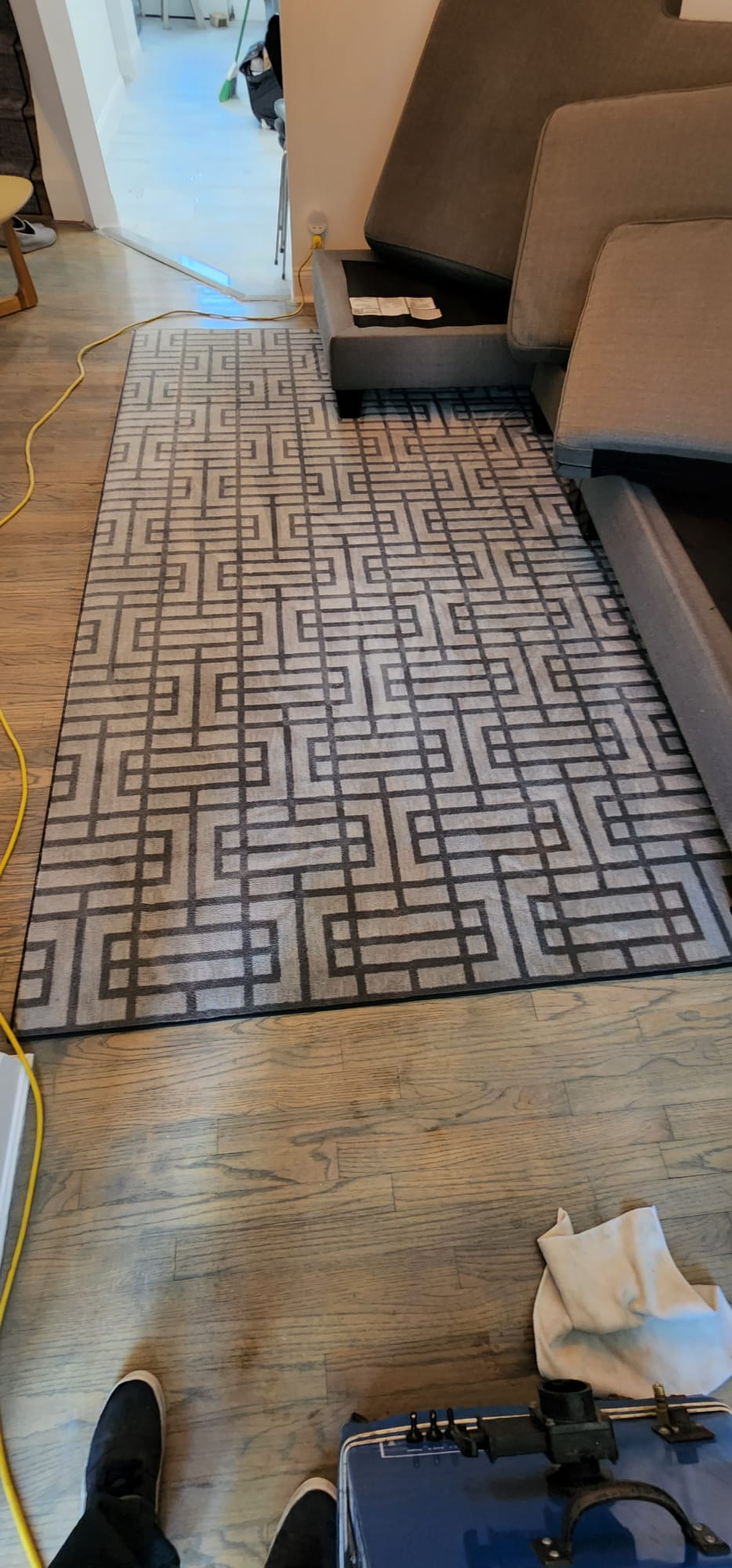
Imagine that you’ve inherited a family heirloom rug that still looks great after decades of daily life, everyday spills and foot traffic. Could a needlepoint rug really hold up that well? Some assume that needlepoint rugs are too delicate for everyday use due to their embroidered appearance. In truth, they are surprisingly resilient and they are a practical and timeless choice for homes. In this article, we explore the durability of needlepoint rugs, how they are made, the maintenance factors and real-world insights from an expert and historical perspective.
What Makes a Needlepoint Rug? A Foundation for Durability
Needlepoint rugs are hand-stitched textiles with looping thread or yarn that passes through an open-weave stiff canvas. They have no pile, the surface is smooth and flat with detailed patterns formed with the stitches. The flat texture gives a needlepoint rug a lighter and thinner profile which may seem like a drawback. But, the lack of a pile, the firmness and the flexibility will reduce the visible wear over time. Let’s take a look at the basic creation of the needlepoint rug:
- A stiff canvas grid is cut and prepared.
- The design is planned and painted onto the canvas.
- Yarn is stitched through every grid point under consistent tension.
- The back of the rug is secured with fabric or latex backing.
This is a historically durable design. This technique dates back to ancient Egypt around 1500 BC when tent stitches were employed for practical wear-resistant items, such as: furniture covers, shoes, wall hanging and floor rugs. These were all functional textile items that were meant to endure daily use.
In the following centuries, the Arraiolos rug tradition in Portugal brought needlepoint up to heirloom status. The rugs were usually inspired by tilework, they were designed for beauty and longevity and they are still highly sought collector items to this day. These rugs offer living proof that needlepoint construction has always been recognized for its endurance and durability.
The Science Behind Needlepoint Rug Durability: Materials and Mechanisms
Wool and Thread: The Building Blocks of Longevity
The best high-quality needlepoint rugs are made from wool, which is a durable natural fiber. The composition is keratin proteins which provide elasticity and compressor resistance. This means that wool fibers bend and rebound when they are stepped on.
Wool has a natural crimp or waviness, during stitching the fibers interlock to form a dense fabric matrix. When the wool fibers are under pressure, the impact is absorbed and the force is distributed evenly. This may be why a well-made wool needlepoint rug can last 50 years or longer.
There are some museums and private collections that display needlepoint rugs from the renaissance that are structurally intact. The durability is reliant on the quality of the wool, lower-grade wool and unstable dyes may weaken and fade over time. The vegetable-dyed wool tends to be more age-resistant and colorfast which makes it a smarter choice for long-term use.
Stitching Structure: How Millions of Stitches Create Strength
The strength of the needlepoint rug is not derived from the thickness, it’s the sheer number of millions of stitches forming a tight interwoven network. Each thread is pulled through the canvas to form the loop, the adjacent stitches look together with tension and the high stitch density creates the resistance to tearing.
This acts like a woven chain-link fence, each link is not strong in isolation, but together they are much stronger. The flat surface minimizes dirt trapping to indirectly extend the lifespan and the lack of a pile means there’s no crushing or shedding over time. The main drawback is that without proper backing or finishing the edges may be prone to fraying. The evolution of needlepoint brought textured stitches which improved the stability. However, this required skilled craftsmanship to maintain the durability which raises the costs.
Backing and Base: Hidden Elements Enhancing Endurance
The canvas base is typically cotton or linen, it provides the rigid foundation and some modern rugs have latex backing to prevent shifting and stabilize the stitches. But, low-quality latex may degrade in 3-7 years due to the polymer bonds breaking down and oxidation.
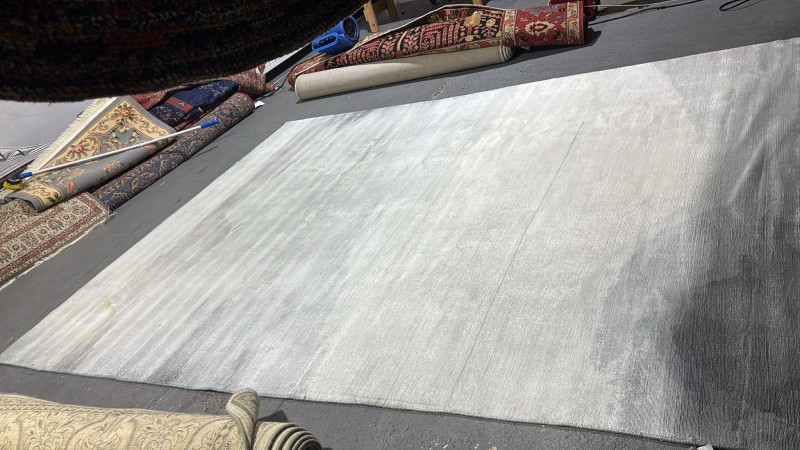
When degraded latex is exposed to moisture it can contribute to wicking and blotching issues. The backing is an often overlooked and crucial part of a modern needlepoint rug. Using high-quality glue is vital to keep the rug intact because poor glue will degrade and crumble over time. Here’s a pro tip: test the backing integrity before washing and check that the rug is not “out of square”. If this occurs it may be corrected with professional washing and blocking to restore the shape and extend the lifespan.
Factors That Influence Needlepoint Rug Durability
Maintenance and Cleaning: Preserving Strength Over Time
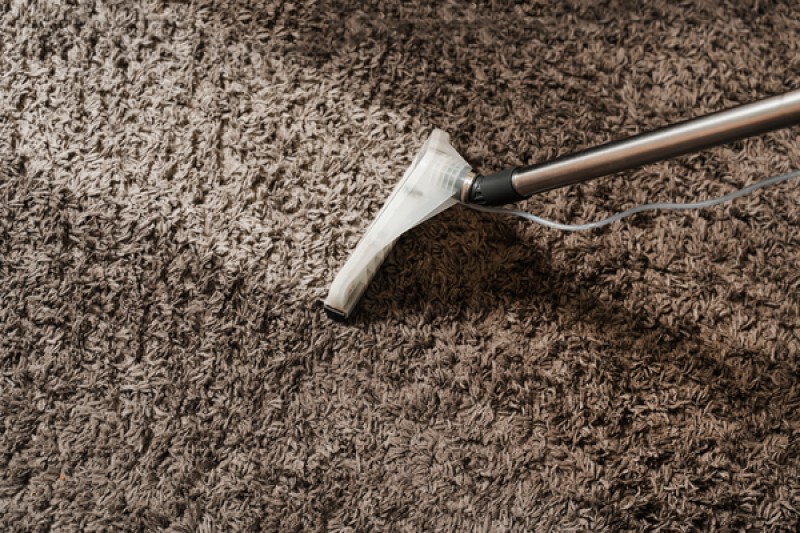
A needlepoint rug is typically easier to clean than a piled rug because it’s lighter and less prone to trapping dirt. Before you clean the rug, test for colorfastness; dab a hidden area with a white towel soaked with a mix of mild detergent and room-temperature water. They wait 24 hours and if the color is fast, there are four safe cleaning steps to follow:
- Vacuum gently with no beater bar.
- Spot clean with a wool-safe detergent and a small amount of vinegar.
- Rinse the surface thoroughly.
- Dry the rug quickly and ideally upside down.
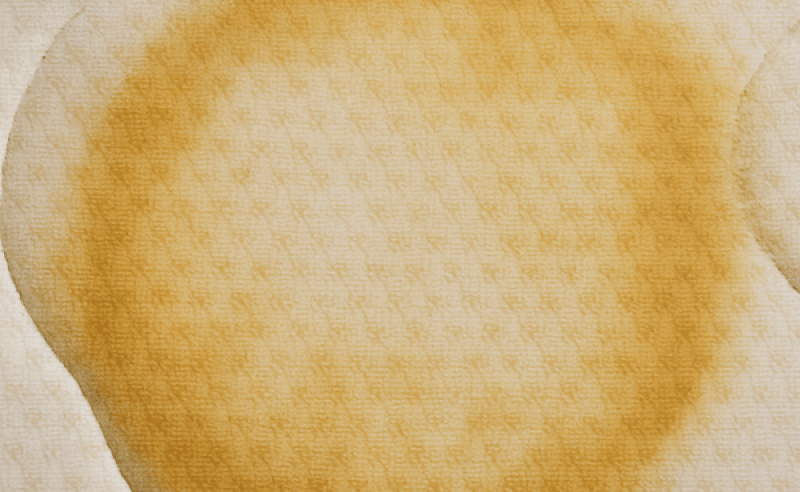
The drying speed is important, fast drying (4-6 hours) will prevent dye migration. Slow evaporation is less desirable because capillary action may pull the dyes into lighter areas which leads to bleeding.
Avoid using solvents, harsh chemicals and oxygen-based cleaners which can permanently damage natural fibers and liquify latex backing. Think of a needlepoint rug like a thin wool blanket, with gentle handling shrinkage or felting is prevented and the structure is preserved.
Environmental and Usage Impacts: Wear and Tear Realities
The needlepoint rug may slip without pads leading to abrasion and bunching. In high-traffic areas, the natural durability may be tested but the natural lanolin in wool is resistant to soiling. Dense stitching will dissipate the energy created by foot traffic and the hygroscopic nature of wool can absorb moisture without drying and cracking.
The flat design makes rolling and storage easy and the limited bulk means that there are fewer stress points during movement. In historical use, it’s clear to notice the adaptability of needlepoint rugs in a variety of climates. Cleaning experts have noted that inherited needlepoint rugs survive because they are low maintenance. But, older rugs need to be carefully assessed for the integrity of their backing before cleaning commences.
Rug Pads: Essential Allies for Long-Term Durability
Needlepoint rugs work better with pads that combine rubber for grip and felt for additional cushioning. Pads prevent slipping, wrinkling and fiber abrasion caused by grit. A pad will also improve the airflow under the rug, they add comfort and extend the lifespan. The pads are heat-pressed, they hug the rug backing and the rubber grips to the floor underneath with no need for adhesives. This will help with even weight distribution and prevent stress concentration.
Comparing Needlepoint Rug Durability to Other Types
What is the durability of needlepoint rugs in comparison to other formats?
- Needlepoint: They have a light, flexible and flat stitched structure, they’re simple to maintain and their lifespan may be measured in decades.
- Hand-knotted: These rugs are composed of dense knots and pile. They are heavy, durable and tend to be more expensive.
- Flat-woven: These rugs are light, flexible and durable, but they lack stitch reinforcement.
- Hooked Rugs: They have a looped bile, they look great, but they are very prone to wear.
- Hand-tufted: These rugs have glue to hold the fibers in place and they tend to have a 7-10 year lifespan.
Needlepoint rugs are a rival to hand-knotted rugs when it comes to structural integrity, but they are lighter and less bulky. They outperform tufted rugs because they are not reliant on glue for construction and longevity.
Conclusion
Needlepoint rugs are durable, wool fibers are resilient, the firm canvas base and interlocking stitches create a lasting structure. Although they are thinner and prone to slipping without a pad they respond well to gentle cleaning with fast drying. These core mechanisms make needlepoint rugs more enduring and reliable than many modern alternatives. For those new to these rugs, start small with a rug in a low-traffic area to evaluate for yourself the beauty and impressive durability. Always check the colorfastness before cleaning and invest in a high-quality felt and rubber rug pad.