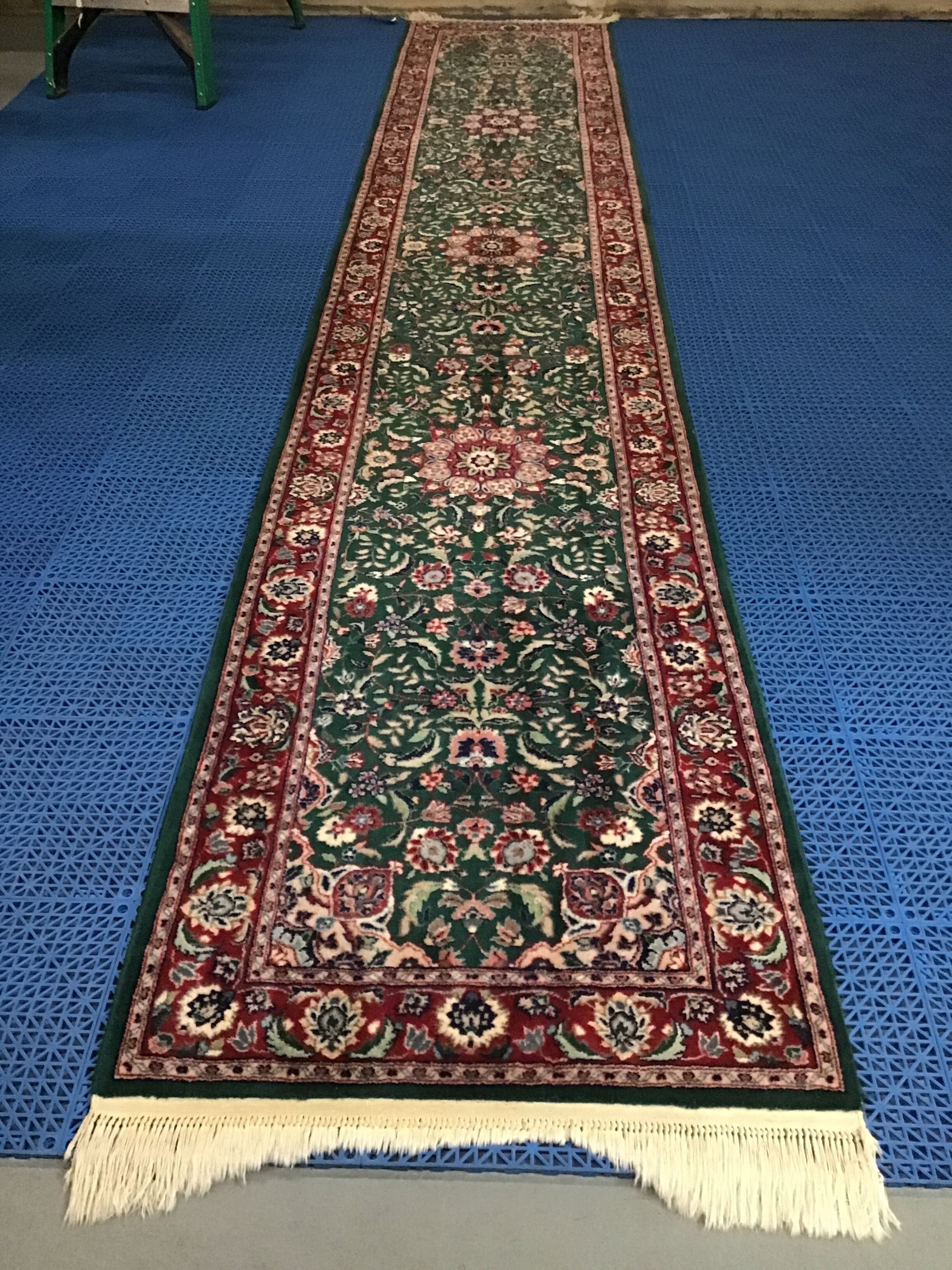
Rugs can be compared to household sponges that absorb dirt, allergens, and spills over time. Professional rug cleaning is like wringing out this grime. Professional cleaning keeps the rug clean and also prevents hidden wear that shortens its lifespan.
Surface cleaning, like vacuuming, isn’t enough. This only skims the top layer and removes about 5% of embedded soil. Professional cleaning penetrates deeply to extract up to 95% of contaminants, restoring vibrancy and health. But what actually happens during professional rug cleaning?
Understanding Rug Types and Initial Assessment
The first step is assessment. Your rug is inspected to determine its construction. You may have a hand-knotted, hand-tufted, or machine-made rug. Rugs are also made from different materials like wool, cotton, silk, or synthetic materials. Each of these rugs will require a different cleaning method.
Professionals also identify wear patterns. This helps them tailor cleaning intensity. Another reason why proper assessment is important is because it helps you avoid risks. For example, glue failure is something that happens in tufted rugs. This is when the adhesive holding yarn and backing together breaks down. This can cause shedding and back separation, meaning your rug may eventually fall apart.
Color migration or dye bleeding is another problem that you often see in handmade rugs. This is due to dye instability and it happens when dyes run or spread to other areas of the rug. This problem is also seen in machine-made synthetic rugs when unstable dyes react with moisture.
Fiber shifting or blooming is another issue that you see with hand-made rugs. This is when rug fibers break open due to kinetic abrasion from foot traffic. All of these issues can be avoided by thorough inspection and proper rug cleaning. This is why you should always work with a professional when cleaning your rugs.
Dry Soil Removal: The Foundation of Professional Cleaning
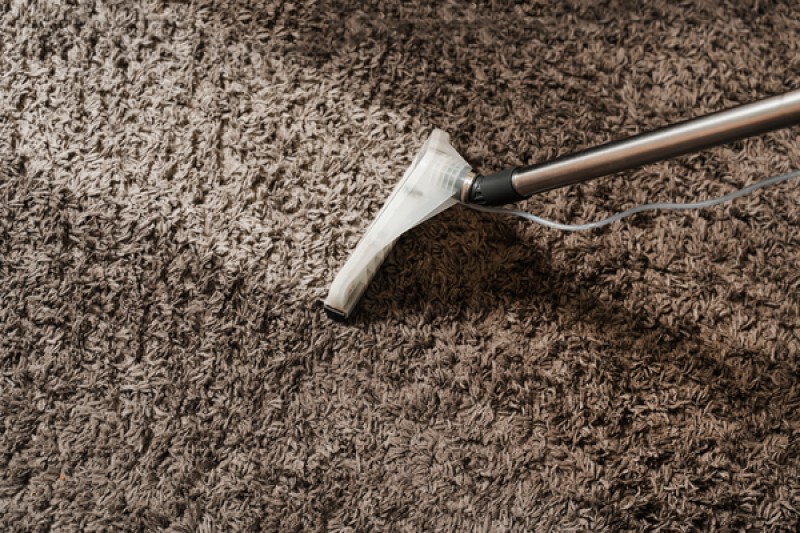
Dry soil removal starts with thorough vacuuming for 45 minutes or more. High-suction equipment is used to lift lose particulates without damaging the pile. If done correctly, this can extract 95% of dry soil.
For deeper removal, mechanical beating is used. This is a specialised machine which physically beats the rug and dislodges deeply embedded dry dirt, dust, and debris. This emulates traditional rug beating methods, but with controlled force. One session can extract a pound of dirt from a 200 sq ft rug, preventing abrasive wear.
This process works because dry soil bonds loosely to carpet fibers via electrostatic forces, but mechanical agitation disrupts these bonds, allowing suction to remove particles before they embed deeper through surface tension. Experts recommend that you do this every 2-3 years for loose area rugs to preserve longevity and reduce dust in the air.
Chemical Application: Breaking Down Stains and Soils
·Water Based and Oil Soil Treatment
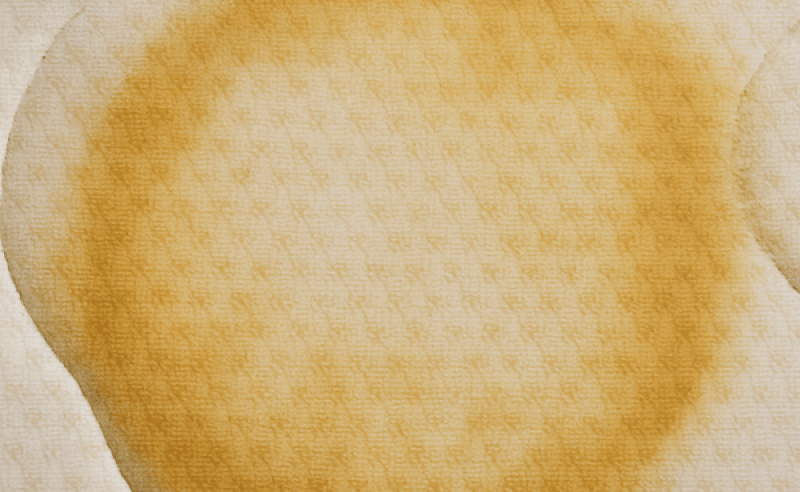
Spillage from water based beverages is tackled by applying a pH-neutral eco-friendly colloid and then padding the rug gently to avoid over-wetting. For oil bonds, caused by pet residues, professionals use spray on cleaners to emulsify oils, breaking molecular bonds via surfactants.
These surfactants reduce tension, allowing water to penetrate and lift oils. Peroxide is also used to release oxygen which breaks down stains and causes them to fade without harming the fibers of your rug.
·Tannic and Stubborn Stain Removal
Tannins are found in things like wine and coffee. These stains are harder to remove as you probably already know. To get rid of them, professionals use “micro splitters.” These are powerful carpet cleaning agents that come in either a powdered or liquid form.
These cleaning agents are called micro splitters because they break the bond between stains and the rug. They break down dirt, oils, and stains, suspending them for easy removal with extraction machines.
With these processes you can achieve a 50% removal of soils after initial application, and up to 80-90% with targeted spot treatment. A big benefit is that these techniques brighten up your fibers. This is because the cleaning agents contain peroxide which enhances colors via an oxygen-based chemical reaction.
The flip side is that this also makes DIY carpet cleaning risky. These chemicals are extremely harsh and may damage your rug if not used correctly. They can also leave a residue that attracts dirt faster.
Rinsing and Extraction: Removing Residues
The hot water extraction method is used to remove chemical residue. This technique uses steam to rinse the rug. Remaining moisture is then extracted via powerful suction. This removes 80-90% of remaining soil. Mold is also prevented by rapid moisture removal.
You also have low moisture alternatives for delicate rugs. This method uses an acid rinse to neutralize alkalinity and deactivate chemicals. This rinse adjusts pH to neutral, preventing bacterial growth via thermodynamic stability. The outcome is excellent and the white towel test shows no dirt transfer post-rinse, proving cleanliness.
Drying and Post-Treatment: Ensuring Longevity
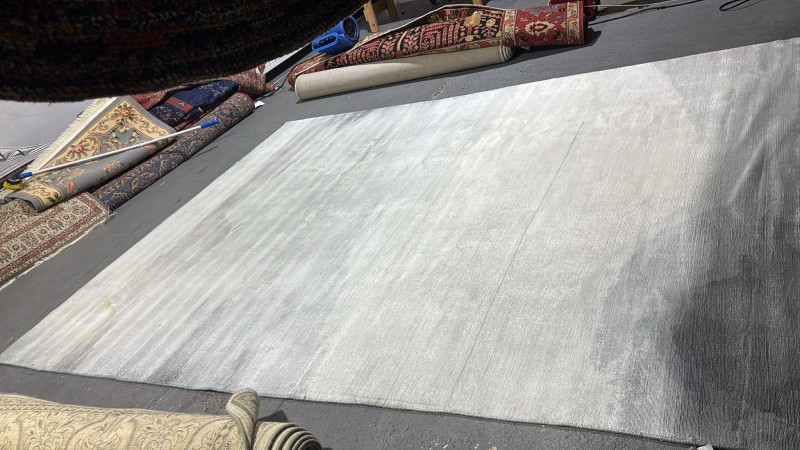
The final step is drying. This must be done thoroughly to prevent the risk of mold. Rugs are hung in a drying room at an angle using large-diameter poles to avoid creases. Hanging at an angle also helps direct water runoff. Another reason why rugs are hung is because flat drying can promote mold growth. The drying room is heated to 135°F and fans are turned on. The rug is then left to dry overnight.
This drying process might sound complicated but it enhances appearance and extends the lifespan of your rug. Improper drying leads to mildew via excess moisture which fosters microbial growth. This controlled environment maintains humidity below 50% which inhibits mold spore activation.
In addition to this, a post cleaning inspection is also carried out. Rugs are checked for spots, fringes are vacuumed, and loose fibers are trimmed. Protection is also applied to repel future soils.
Benefits, Risks, and Limitations of Professional Rug Cleaning
The biggest benefit of professional rug cleaning is that it preserves rug value. With the right care, delicate rugs can last hundreds of years. Deep cleaning also saves you money long-term by preventing replacements.
With professional rug cleaning you’ll improve air quality by removing allergens like dust mites and this in turn improves your health. The biggest risk and limitation with hiring a pro is the higher initial cost. Cleaning may also not be suitable for extremely fragile rugs without pre-inspection.
Ultimately, professional rug cleaning is vastly superior to DIY alternatives. Professionals can customize their process to fit your needs and can also remove 80-90% more soil than DIY can. With DIY cleaning there are many risks. These include things like color bleeding, fading, and mold growth due to poor extraction.
Conclusion
Professional rug cleaning is a complicated and systematic process. It starts with assessment and dry soil removal which is then followed by the chemical breakdown and extraction of stains and finally drying. The process deeply purges contaminants using mechanics like emulsification and oxidation to restore rugs without damaging them.
Professional rug cleaning can also resolves wear issues by removing abrasives and extending the lifespan of your rugs via residue-free cleaning methods. This process also improves your health via the elimination of allergens.
For optimal results, schedule a professional rug cleaning every 2-3 years. Don’t think of this as an expense. See it as an investment for healthier home air and preserved home aesthetics. It’s also routine and necessary maintenance for valued items.